Welsh Corgi Dog SVG: A Designer's Real-World Embroidery Review
I have spent years reviewing digital assets for my own boutique and client work, so when I first opened the folder for the Welsh Corgi Dog SVG, I wasn't just looking at a cute image. I was analyzing a potential finished product. In the world of machine embroidery design, there is a massive difference between a graphic that looks good on a screen and one that translates beautifully into thread. My goal here is to walk you through exactly how this file performs in real-life scenarios, from custom apparel to high-volume commercial projects.
The First Impression: Mood and Visual Personality
Before worrying about stitch counts or hoop sizes, we must address the emotional hook. The Welsh Corgi Dog SVG immediately strikes me as approachable and warm. It doesn't scream for attention with aggressive lines; instead, it relies on the natural charm of the breed to draw the viewer in. This is crucial for handmade products because the visual personality sets the stage for the customer's connection to the item.
For a designer, the layout feels balanced. The shape of the corgi is distinct enough to be recognizable even at smaller scales, which is often a pain point with complex designs. When I imagine this on a soft baby onesie or a rustic kitchen towel, the mood shifts from "digital asset" to "cherished gift." It possesses a versatility that fits perfectly into the Crafts and Graphics categories without feeling generic. It has a specific character that says, "I am a Welsh Corgi," rather than just "I am a dog."
Real-Life Application: From Screen to Stitch
Let's talk about a specific scenario I recently faced while preparing for a holiday market. I needed a centerpiece design for a line of personalized tote bags and aprons. The Welsh Corgi Dog SVG was the perfect candidate. Why? Because it balances detail with durability. When I loaded the files into my digitizing software, the paths were clean, which usually indicates a well-prepared vector.
In a practical setting, this design shines on custom apparel like sweatshirts and t-shirts. The proportions are generous enough to allow for texture without overwhelming the garment. However, I also tested it mentally for smaller items. Imagine this embroidered on a cap or a patch. The curves of the ears and the stance of the legs provide excellent opportunities for different stitch types. You could use satin stitch for the outline to give it a crisp, professional edge, while fill stitches could add depth to the body fur.
This file is particularly strong for Etsy sellers and small shop owners who need reliable design assets. If you are creating a series of nursery decor items, such as pillow covers or blankets, the Welsh Corgi Dog SVG offers a cohesive look that builds brand consistency. Customers trust a shop that maintains a clear aesthetic, and this design supports that narrative effectively. It works equally well as a standalone piece or as part of a larger collection featuring other breeds or complementary motifs.
Where Caution is Required
Even the best embroidery file requires strategic placement. While the Welsh Corgi Dog SVG is robust, there are specific situations where you must exercise caution. Small hoop sizes are a primary concern. If you attempt to stitch this on a tiny fabric swatch or a very narrow strip of material, you risk losing the definition of the face or the tail. Always verify your hoop size before committing to the final production run.
Fabric texture plays a significant role in the final outcome. On highly textured fabrics like heavy wool or thick fleece, the density of the stitches might not lay flat, potentially causing puckering. Conversely, on thin or stretchy fabrics like jersey knits, the design might distort if the stabilizer isn't chosen correctly. Dark fabrics present another challenge; unless you plan to use a heavy underlay or a contrasting thread color strategy, the details of the corgi might get lost against a black background.
Limited spaces, such as the curved surface of a baseball cap, require careful planning. The curvature can alter the perception of the design's width. Additionally, if the design includes any tiny lettering or extremely fine decorative accents, these elements are prone to getting lost in the stitching process. Dense stitch areas can sometimes cause the fabric to bunch up, affecting the drape of the finished product. For items that need frequent washing, such as everyday aprons or children's clothes, ensure the design is anchored properly to prevent fraying over time.
Impact on Product Value and Customer Trust
The quality of the embroidery directly influences the perceived value of your handmade product. A poorly executed design can make a $50 item look like a $10 knockoff. The Welsh Corgi Dog SVG, when stitched correctly, elevates the entire project. It signals professionalism and attention to detail, which are key drivers for buyer engagement.
When customers see a clean, well-defined corgi on a tote bag or a personalized gift, they associate that clarity with the care taken by the maker. This builds trust. In the competitive landscape of craft business, where thousands of similar items exist, a sharp, clear design helps your product stand out in search results and social media feeds. It transforms a simple commodity into a unique, desirable object.
Furthermore, the design's ability to evoke emotion is a powerful tool for marketing. A corgi is universally loved, and seeing that beloved image rendered in thread creates an immediate emotional response. This makes the Welsh Corgi Dog SVG an excellent choice for holiday gifts, wedding favors, or boutique branding where sentimentality drives sales.
Practical Notes for the Embroidery Designer
As an experienced reviewer, I cannot stress enough the importance of testing. Before you rush to fulfill a large order of custom apparel or start selling digital mockups, take the time to test the design on scrap fabric. This step is non-negotiable. Check the thread color contrast to ensure the details pop against your chosen background. Review the stitch density to avoid excessive bulk, which can ruin the hand-feel of the fabric.
Confirm the hoop size limits of your machine and the specific dimensions of the design. Inspect small details closely under magnification if possible; sometimes what looks fine on a monitor reveals jagged edges or missing nodes in the actual stitch file. Test the design in black and white mockups to understand its silhouette and balance without the distraction of color. Compare how it looks on both light and dark fabric backgrounds, as this will dictate your underlay and thread choices.
Use proper stabilizer for every project type. For knitwear, a cut-away stabilizer is often necessary to maintain stability after washing. For woven fabrics, a tear-away might suffice. Ensure you check whether the design works for both personal and commercial projects. Licensing terms vary wildly in the digital product space, so read the fine print regarding the resale of finished items. Confirm the license allows you to sell physical goods made with the Welsh Corgi Dog SVG if that is your intent.
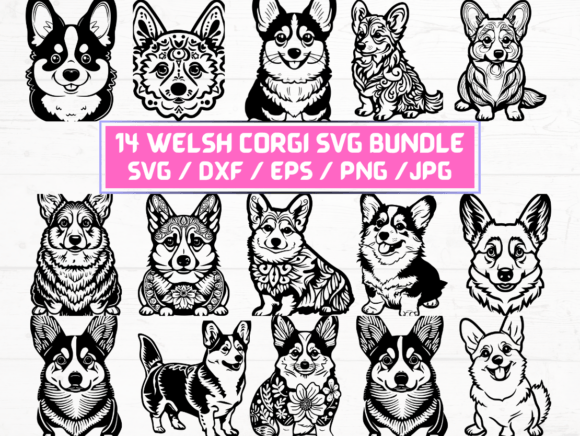
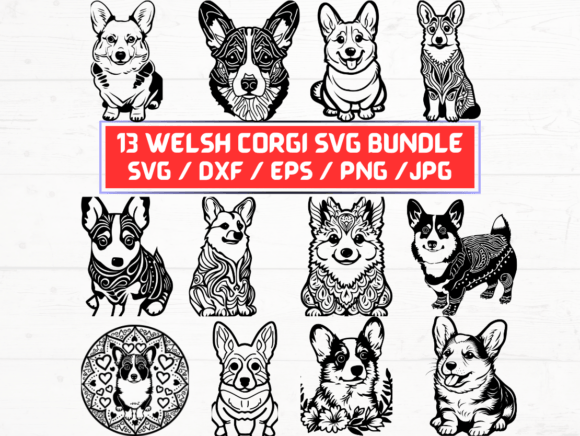
Finally, consider the versatility of the included formats. With 13 SVG, PNG, DXF, JPG, and EPS files, you have the flexibility to adapt the design for various applications, from embroidery machines to heat press transfers or printable mockups. Just remember that the source file is only as good as the execution. By following these practical steps, you can ensure that your Welsh Corgi Dog SVG becomes a staple in your creative arsenal, delivering high-quality results for your clients and your own craft business.