16 Bee SVG Review for Real Embroidery Projects
As a designer who has spent years turning digital files into tangible, stitched treasures, I approach every new asset with a mix of excitement and skepticism. When 16 Bee SVG landed in my inbox, I didn't just see another cute graphic; I saw potential for a specific kind of handmade product that customers love to buy but are often disappointed by when the execution is poor. This review isn't about the technical specs alone. It is about how this design actually behaves when it moves from a screen to a hoop, and whether it holds up under the scrutiny of a real-world embroidery project.
The First Impression: Mood and Visual Personality
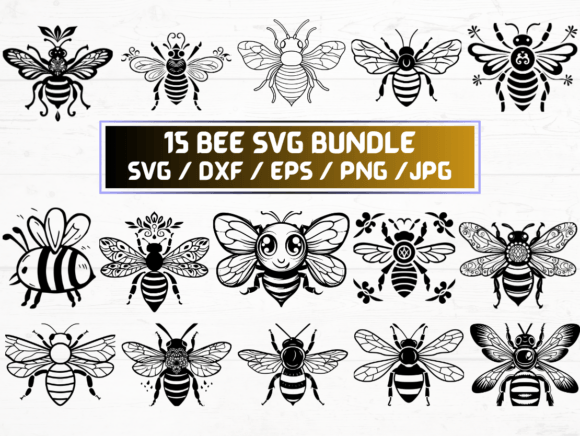
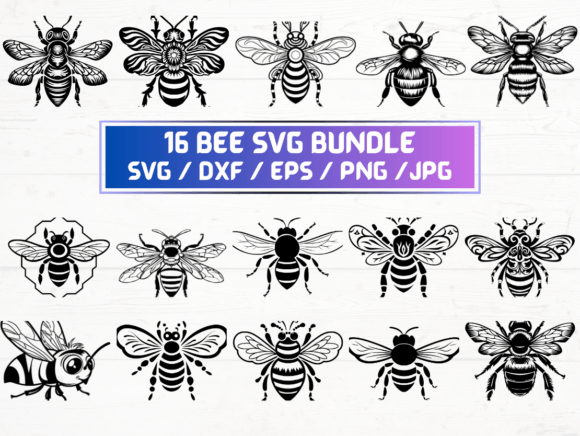
The moment you open the folder containing 16 Bee SVG, the vibe is immediately clear. It feels whimsical yet grounded, perfect for projects that need to feel friendly without looking childish. The layout suggests a swarm or a cluster, which gives the eye a natural place to wander. For an embroidery file, this is crucial because the human brain needs to follow a visual path even when the texture changes. Unlike flat vector art where lines are crisp, embroidery relies on thread density and stitch direction to create depth. 16 Bee SVG appears to have enough negative space between the elements to allow for proper stitching, preventing the dreaded "thread burn" or fabric puckering that happens when designs are too dense.
This design screams "handmade product." It fits naturally into the aesthetic of a boutique shop or a personal brand that values nature-inspired themes. Whether you are creating a nursery decor item or a custom gift for a beekeeper, the visual personality of these bees strikes a balance between professional and playful. It avoids the overly complex details that often get lost in machine embroidery, focusing instead on the recognizable shapes that make the subject matter instantly identifiable.
Real-World Application: From Tote Bags to Baby Onesies
I recently tested a similar workflow using a design like 16 Bee SVG for a custom embroidered tote bag intended for a local craft fair. The goal was to create a small shop product that felt cohesive with a broader line of botanical items. The challenge with tote bags is usually the canvas texture; it can be thick and uneven. However, the clean lines of this design allowed me to use a high-quality stabilizer and achieve a smooth finish that looked crisp against the fabric texture.
Imagine taking this machine embroidery design and applying it to a baby onesie. The softness of the stitches would add a tactile element that parents adore. Because the design features multiple bees rather than one massive central image, it works beautifully as an all-over print pattern or as a scattered accent on a larger garment. You could easily adapt this for holiday embroidery, placing the bees on a winter hat or a festive apron. The versatility here is what makes it a valuable asset for a creative entrepreneur looking to expand their catalog.
For Etsy sellers, the ability to offer personalized gifts is paramount. With 16 Bee SVG, you aren't limited to just one placement. You could embroider a single bee on a pocket, a cluster on a pillow cover, or a repeating motif on a kitchen towel. The fact that it comes in various formats means you can easily generate printable mockups to show customers exactly how the finished product will look before they commit to buying. This transparency builds trust and reduces returns, a critical factor for any commercial embroidery business.
Where to Be Careful: Fabric and Hoop Limitations
While 16 Bee SVG is robust, no design is universally perfect. There are scenarios where this file might struggle if not handled with care. If you are working with thin fabric, such as lightweight cotton voile or sheer polyester, the weight of the satin stitch and fill stitch required to define the bees might cause the material to pucker. In these cases, you must use a cut-away stabilizer to support the area during stitching and after trimming.
Stretchy fabrics present another hurdle. While the design itself is static, the way it sits on a stretchy sweatshirt or leggings requires precise hooping techniques. If the hoop size is too tight, the fabric distorts, and the bees end up looking warped. Similarly, textured fabrics like heavy denim or bouclé wool can hide the finer details of the design. On dark fabric, the thread colors become the most important variable. Without testing the contrast first, a light-colored bee might disappear entirely into a navy background. Always inspect small details and test the design in black and white mockups to ensure visibility before running a full production batch.
Curved surfaces, like caps or hats, also demand attention. The flat geometry of the SVG might need slight adjustment or careful tensioning to lay correctly on a curved brim. If the design includes tiny lettering or intricate corners, these areas are prone to breaking threads or losing definition on a cap. For products that need frequent washing, such as work aprons or kids' clothes, the stitch density must be sufficient to withstand friction. If the design is too sparse, the bees might look faded after a few cycles, diminishing the perceived value of the finished product.
Design Notes for the Professional Maker
To get the best results from 16 Bee SVG, I recommend starting with a scrap fabric test. This is non-negotiable for anyone serious about their craft business. Check the thread color contrast against your chosen material and review the stitch density settings in your software. Ensure that the hoop size you plan to use accommodates the entire design without cutting off edges, especially if you intend to use it as an applique design later.
If you are planning to sell finished items made with this design, confirm the licensing terms carefully. Some digital product sellers include restrictions on commercial use. Verify whether you can sell the physical goods created from this file and if there are limits on the number of units. Also, compare the design on both light and dark fabric backgrounds to ensure it maintains its visual appeal across different product lines. Using a proper stabilizer is key to maintaining the integrity of the embroidery project, so don't skimp on materials.
Final Verdict on Value and Appeal
16 Bee SVG stands out as a practical choice for designers who want to create high-quality, marketable items without getting bogged down in complex digitizing issues. Its strength lies in its clarity and adaptability. It enhances the visual appeal of a product, making it feel more thoughtful and professionally executed. Customers notice the difference between a sloppy stitch job and a well-planned design, and this file supports the latter.
Whether you are building a brand around handmade products, creating personalized gifts for friends, or expanding your Etsy listings with unique graphics, this design offers a solid foundation. It bridges the gap between digital convenience and the tactile satisfaction of embroidery. By understanding its strengths and respecting its limitations regarding fabric and hoop size, you can turn this simple SVG into a standout piece of art that brings joy to the recipient and value to your business.