Husky Dog Svg File: A Designer's Real-World Embroidery Review
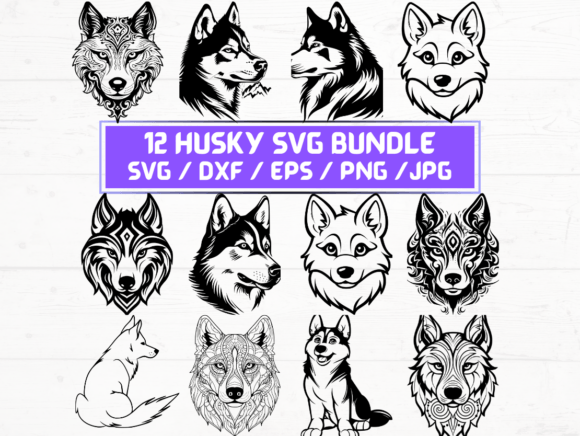
When I first opened the folder for the Husky Dog Svg File, I didn't just see a cute image; I saw a potential bestseller. As someone who spends hours tweaking stitch densities and selecting thread colors, my first impression is crucial. This design immediately exudes a cozy, rugged charm that fits perfectly into the current market trends for outdoor-themed and pet-centric merchandise. The visual personality of the husky is distinct enough to grab attention but simple enough to remain legible when stitched. It feels like a design meant for everyday wear, not just a fleeting trend.
I am approaching this review from the perspective of a small business owner preparing inventory for an upcoming craft fair. The goal isn't just to have a pretty picture; it is to create a finished product that customers will want to keep. Does this file translate well from a digital screen to a physical fabric? That is the question that matters most to any embroiderer looking to turn a Crafts or Graphics asset into a tangible profit.
From Digital Screen to Stitched Reality
The transition from a vector file to a stitched masterpiece is where many designs fail. When I analyzed the layout of the Husky Dog Svg File, I noticed a balanced composition that avoids unnecessary clutter. In machine embroidery, every extra line can become a source of puckering if the density is too high. This design appears to rely on clean lines and defined shapes, which suggests it should hold up well under the tension of the hoop. The mood it creates is one of warmth and companionship, making it an ideal candidate for personalized gifts or boutique branding.
I envision this design gracing the chest of a heavy-duty canvas tote bag or perhaps centered on a soft sweatshirt for a winter holiday collection. The contrast between the husky's features and the background fabric will be key. If you are planning to use this as a tote bag design, the solid outlines likely provide enough structure to stand out against textured fabrics without losing definition. For a sweatshirt embroidery project, the design offers a classic look that appeals to dog lovers who want something subtle yet recognizable.
Real-World Application in Small Business Projects
Let's talk about the practical side of running a handmade shop. Imagine you are an Etsy seller preparing a batch of custom baby onesies. The Husky Dog Svg File could serve as a charming addition to a nursery decor line. The simplicity of the shape ensures that even on smaller garments, the design won't feel overwhelming. However, I would advise placing it carefully to avoid areas that stretch frequently, like the neckline of a onesie, unless you are using a stabilizer specifically designed for knit fabrics.
For commercial embroidery projects, such as creating embroidered patches for uniform vests or branded aprons for a local coffee shop, this file offers versatility. The clean edges make it suitable for applique techniques if you wish to add texture or color blocking. A patch featuring this husky could become a signature item for a hiking gear brand. The design's ability to convey a specific lifestyle makes it more than just a graphic; it becomes a badge of identity for the wearer.
When considering holiday gifts, the emotional connection is vital. A hand-stitched pillow cover with this motif can transform a living room into a welcoming space. The design works exceptionally well for seasonal collections, perhaps paired with snowflake elements or winter themes. For a holiday embroidery campaign, this file provides a focal point that customers can relate to instantly, increasing the likelihood of a purchase.
Navigating Technical Challenges and Fabric Choices
While the design is promising, no embroidery project is without its challenges. I must emphasize the importance of testing before committing to a final run. The Husky Dog Svg File may require careful consideration regarding stitch density. If the fill stitches are too dense, the fabric might pucker, especially on thin materials like tea towels or lightweight cotton. Conversely, if the density is too low, the design might look sparse and lack the depth needed to capture the fur texture of a husky.
Fabric selection plays a massive role in the final outcome. On dark fabrics, the thread colors need to pop, so selecting high-quality, vibrant threads is non-negotiable. If you are working with stretchy fabrics, such as those used for caps or fitted t-shirts, you will need a strong stabilizer to prevent distortion. Curved surfaces like caps present another hurdle; while the design is versatile, the curvature can alter the perception of the dog's face if the placement is off-center. Always test on scrap fabric first to ensure the hoop size accommodates the design without cutting off important details.
There are also scenarios where caution is advised. Tiny lettering, if included in the file, might get lost in the stitching process on small items. Detailed corners can sometimes blur if the needle count is insufficient. For products that require frequent washing, such as kitchen towels or work aprons, the durability of the stitches is paramount. Ensure that the design does not rely on overly delicate lines that might snag or fray over time.
Strategic Notes for the Professional Designer
To maximize the value of this embroidery file, I recommend a systematic approach before production. Start by checking the thread colors available in your machine library. Do they match the intended aesthetic of the design? Sometimes, a slight shift in shade can completely change the mood of the piece. Review the stabilizer requirements based on the fabric type you are using. A cut-away stabilizer is often necessary for heavier garments to maintain shape, while tear-away might suffice for stable wovens.
If you plan to sell finished items or digital products, confirm the licensing terms explicitly. Many designers overlook this step, leading to legal complications later. Ensure that the Husky Dog Svg File allows for commercial use on the specific number of items you intend to produce. Additionally, inspect the small details in the file itself. Are there any stray points or unnecessary nodes that could cause the machine to skip stitches? Cleaning up the vector data before importing it into your embroidery software can save hours of troubleshooting.
Creating a printable mockup is another excellent step. Before cutting any fabric, visualize how the design looks on different backgrounds. Compare light and dark fabric backgrounds to gauge contrast levels. This step helps in setting customer expectations and ensures that the finished product matches the promotional images. For a craft business, consistency in quality builds trust. Customers return to shops where the embroidery looks professional and the designs are executed flawlessly.
Final Thoughts on Design Integrity
In conclusion, the Husky Dog Svg File stands out as a robust option for anyone looking to expand their portfolio of handmade products. Its blend of simplicity and character makes it adaptable across various categories, from baby embroidery to commercial embroidery assets. However, success lies not just in the file itself but in how you handle the technical aspects of the stitching process.
By taking the time to test, adjust, and refine, you can turn this digital asset into a standout piece that resonates with buyers. Whether you are creating a unique gift for a friend or stocking shelves at a craft fair, this design has the potential to elevate your brand. Remember, the difference between a good design and a great one often comes down to the care taken during the execution phase. Treat the Husky Dog Svg File with the respect it deserves, and your customers will notice the quality in every stitch.