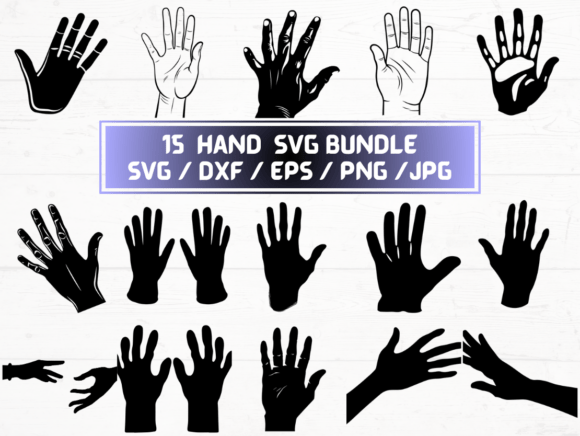
Reviewing 15 Hand SVG Files for Real Embroidery Work
As a designer who has spent years turning digital files into tangible, stitched masterpieces, I know that the difference between a good project and a great one often lies in the source material. You might have the best embroidery machine on the market and the highest quality thread, but if your design file lacks practical integrity, the final result will suffer. Today, I am putting 15 Hand SVG Files through the wringer to see how they hold up in real-world scenarios, from custom apparel to boutique merchandise.
The first thing you notice about this collection is its versatility. In a sea of generic clip art, these Graphic Templates offer a distinct personality. They feel handcrafted rather than algorithmically generated, which is exactly what customers crave when buying handmade goods. The visual mood is warm, approachable, and organic. Whether you are looking to create a personalized gift or launch a new line of shop products, the layout and detail level suggest a design that fits naturally into everyday life rather than just sitting as a decorative element.
From Digital File to Finished Product
Let's talk about a specific scenario: preparing a custom embroidered tote bag for a local craft fair. This is a high-stakes environment where your product needs to stand out immediately. When I tested the 15 Hand SVG Files conceptually against this use case, the potential was clear. The clean lines and balanced composition translate beautifully onto canvas or heavy cotton, materials commonly used for tote bags.
However, an experienced designer knows that screen resolution does not always equal stitch clarity. For a tote bag design, you need to ensure that the curves don't get lost in the weave of the fabric. The file set includes various formats like SVG, DXF, and EPS, which gives you the flexibility to scale the design without losing definition. If you are an Etsy seller or running a small shop product line, having access to multiple file types is crucial. It allows you to adjust the design for different machines or prepare it for different applications, such as creating a mockup for your online store or cutting it out for applique work.
I also considered using these designs for sweatshirt embroidery. The slightly larger scale of the artwork works well on chest pockets or full-back placements. The "hand" aspect of the title suggests a casual, friendly vibe that pairs perfectly with cozy knitwear. But here is the catch: sweatshirts are thick and textured. A design that looks perfect on a flat screen might struggle if the stitch density is too high for the fabric to support. Before committing to a bulk order of shirts, you must test the stitch density to ensure the fabric doesn't pucker.
Navigating Fabric Challenges and Limitations
Not every project is created equal, and 15 Hand SVG Files is no exception. There are specific situations where this design requires careful handling. For instance, if you are working with thin fabrics or stretchy materials like jersey, you need to be mindful of the running stitch areas. These delicate sections can easily distort if not stabilized correctly.
I would advise against using this design on dark fabrics without a solid plan for underlay. Lighter threads might not pop against a black background unless you use a high-quality stabilizer and perhaps a layer of white underlay to make the colors shine. Similarly, while the design is versatile, tiny lettering or intricate corners within the graphics could become muddy if the hoop size is too small. A machine embroidery design relies on the stability of the hoop; if the design extends beyond the optimal area or if the fabric shifts during stitching, the details will blur.
Another critical consideration is the lifespan of the finished item. If you are creating an embroidered patch or items intended for frequent washing, like kitchen towels or aprons, you need to check the durability of the stitches. Dense fill stitches can sometimes trap lint or cause the fabric to stiffen over time. While the 15 Hand SVG Files look beautiful initially, their longevity depends on how well you execute the applique design elements or how you manage the thread colors to prevent fraying.
Impact on Brand Value and Customer Trust
For those of us building a craft business or selling digital embroidery files, the presentation matters just as much as the stitching itself. High-quality design assets elevate the perceived value of your work. When a customer receives a personalized gift or buys a piece of custom apparel with crisp, well-executed embroidery, they trust your brand more.
The graphic templates provided here contribute to a cohesive aesthetic. If you are designing a series of holiday gifts, having a consistent style across all your items helps build a recognizable brand identity. Customers remember the look and feel of your shop. A sloppy digitization job can ruin even the best idea, but a thoughtful application of these files can turn a simple embroidery project into a premium product.
Furthermore, the ability to create professional printable mockups is a huge advantage. Using the PNG files at 300 dpi allows you to showcase your designs realistically before you ever touch a needle. This helps in marketing your small shop product listings effectively. It builds anticipation and ensures that the customer knows exactly what they are getting, reducing returns and increasing satisfaction.
Practical Designer Notes for Success
Before you start stitching, there are several steps I recommend taking to ensure your success with 15 Hand SVG Files.
- Test on Scrap Fabric: Never run a full production batch without testing. Use scrap fabric to check how the design behaves with different thread colors and stabilizers.
- Check Thread Contrast: Ensure your chosen thread colors provide enough contrast against the fabric. A design that looks great in a black-and-white mockup might fail in color.
- Inspect Small Details: Zoom in on the vector files. Look for any stray points or overlapping paths that could cause stitching errors.
- Confirm Hoop Size: Make sure the design fits comfortably within your machine's hoop dimensions to avoid mid-stitch stops.
- Review Licensing: Always confirm whether the license allows for commercial use if you plan to sell the finished items. This is vital for any commercial embroidery project.
- Stabilizer Selection: Choose the right stabilizer for the fabric type. Cut-away for stretchy fabrics and tear-away for stable wovens.
In conclusion, 15 Hand SVG Files offers a solid foundation for a wide range of creative endeavors. Whether you are a hobbyist making a unique baby item or a seasoned pro expanding your holiday embroidery offerings, these files provide the flexibility needed for modern crafting. By paying attention to the nuances of fabric, stitch density, and finishing techniques, you can transform these digital assets into stunning, market-ready products. Remember, the tool is only as good as the craftsman wielding it, so take your time, test thoroughly, and let your creativity lead the way.